
Premium Forged Ring Die Blanks from ChinaJARAY Metallurgical Excellence
JARAY is the leading Chinese supplier of X46Cr13 forged ring die blanks. Serving feed, biomass, and wood pellet industries with metallurgical excellence, custom sizes, and global standards compliance.
JARAY for youMetallurgical Excellence: The Foundation of JARAY Forged Ring Die Blanks
What truly distinguishes JARAY Forged Ring Die Blanks for Pellet Mill from China from ordinary alternatives is our obsessive attention to metallurgical detail. We understand that the microscopic structure of the steel determines its macroscopic performance .
pages.stores.usps.title
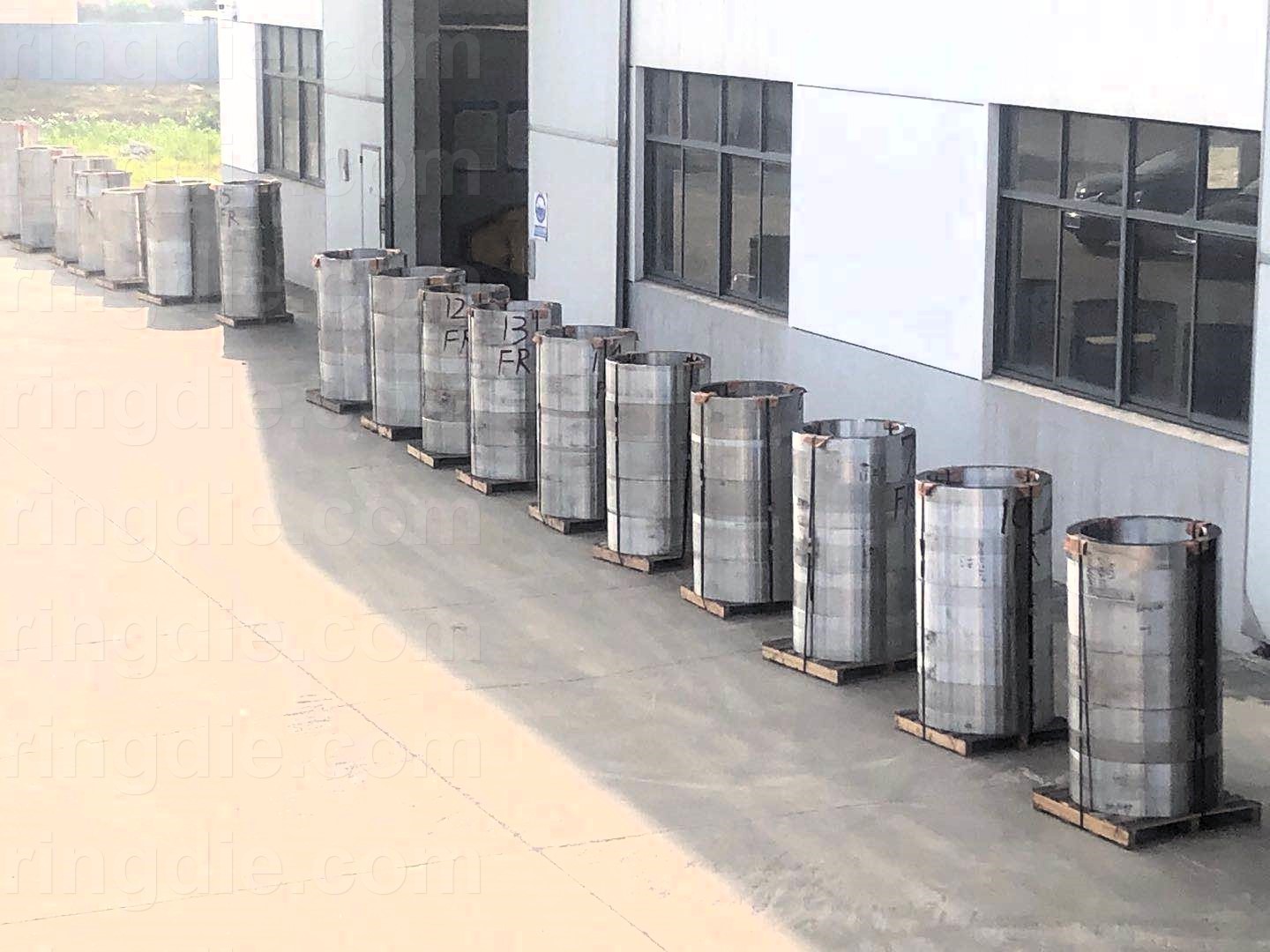
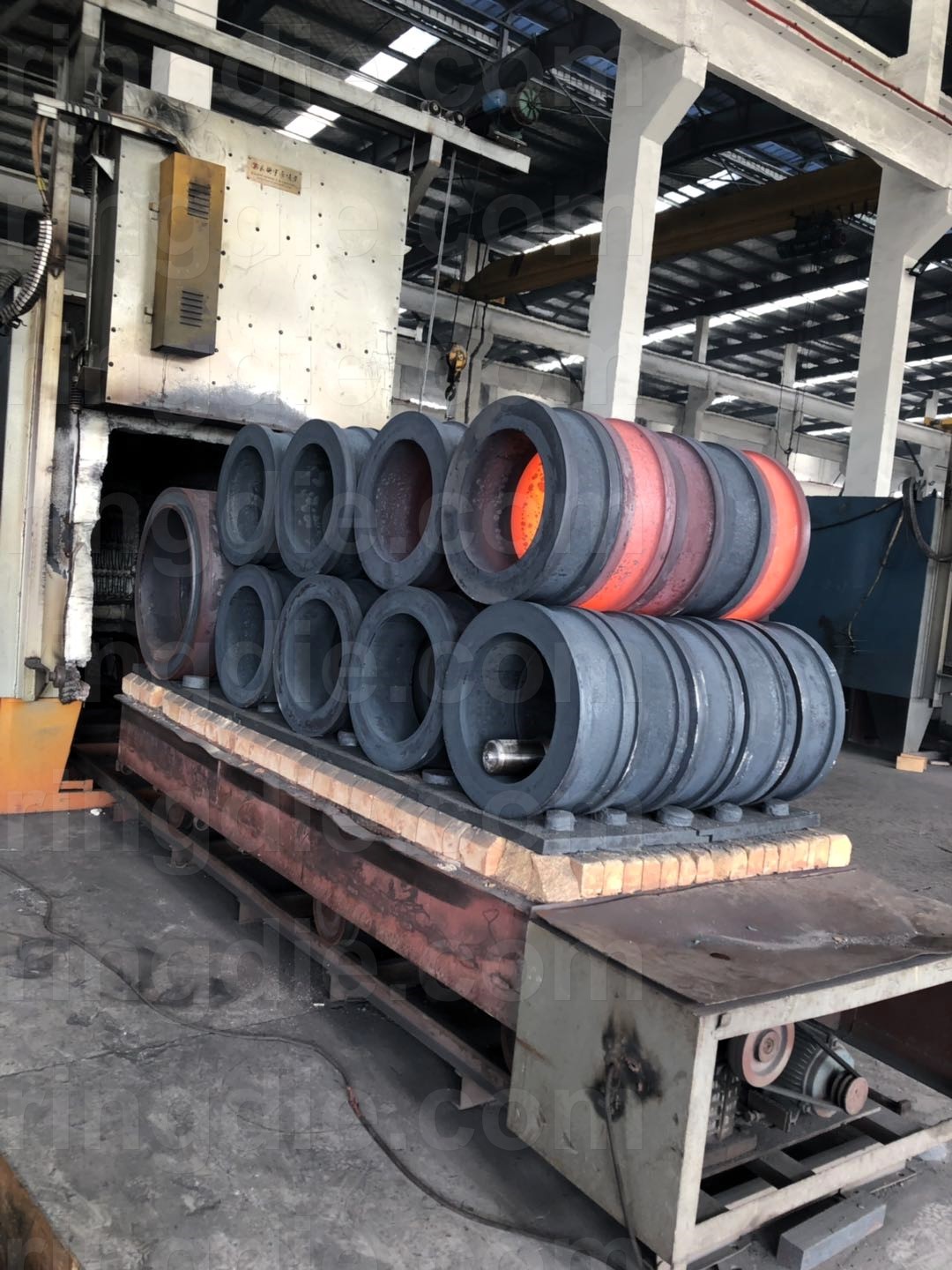
Controlled Microstructure Through Precision Spheroidizing Annealing Process
JARAY following the forging and ring rolling operations, every JARAY Forged Ring Die Blank for Pellet Mill from China undergoes precise spheroidizing annealing in our large-capacity electric furnaces. This controlled heat treatment cycle transforms the carbide structures within the steel into small, spherical particles embedded in a soft ferrite matrix.
Optimal Machinability with Consistent HB160-HB190 Hardness Range
This microstructure delivers two critical benefits for manufacturers . First, it provides optimal machinability with a consistent hardness range of HB160-HB190, ensuring your drilling and tapping operations proceed efficiently with minimal tool wear. Second, it creates the ideal metallurgical foundation for your final hardening process, enabling the development of a strong lath martensite matrix with uniformly dispersed undissolved carbide particles in the finished ring die.
Non-Metallic Inclusion Control Preventing Premature Fatigue Failure
One of the most significant threats to ring die performance is the presence of non-metallic inclusions within the steel. These microscopic impurities can serve as initiation points for fatigue cracks, leading to premature failure under the cyclic loading of pellet production.
Stringent Inclusion Standards Below Grade 3.0 for Superior Durability
JARAY Forged Ring Die Blanks for Pellet Mill from China are manufactured to strict inclusion standards as defined by GB/T 10561-2005. Our process ensures that brittle inclusions remain below 3.0 grade, plastic inclusions below 3.0 grade, and the sum of both remains below 5.5 grade. Point chain inclusions, which are particularly harmful in high-stress applications, are not permitted in any JARAY Forged Ring Die Blank for Pellet Mill from China delivered globally.
Carbide Network Control at Grade 3.0 for Uniform Wear Resistance
The carbide network within the steel structure significantly influences wear resistance and toughness. JARAY Forged Ring Die Blanks for Pellet Mill from China are produced with carbide network grades consistently at or below 3.0, ensuring uniform wear characteristics throughout the die's operational life.
Fine Grain Size Grade 6 for Predictable Heat Treatment Response
Furthermore, our forging process delivers consistent grain size of at least grade 6 or higher, providing the fine, uniform microstructure necessary for predictable heat treatment response and reliable mechanical performance. This grain size control is particularly important for manufacturers producing ring dies for high-output applications such as wood pellet production.
Metallographic Testing of MUZL 600 Ring Die in X46Cr13 Stainless Steel After Heat Treatment
The metallographic examination was conducted on a sample ring die (MUZL 600) manufactured from X46Cr13 stainless steel in the quenched and low-temperature tempered condition. Testing was performed using a Time TMR2000 inverted metallographic microscope and a TMV-1S microhardness tester with a 1.0 kgf load to evaluate structural integrity and hardness compliance after final heat treatment.
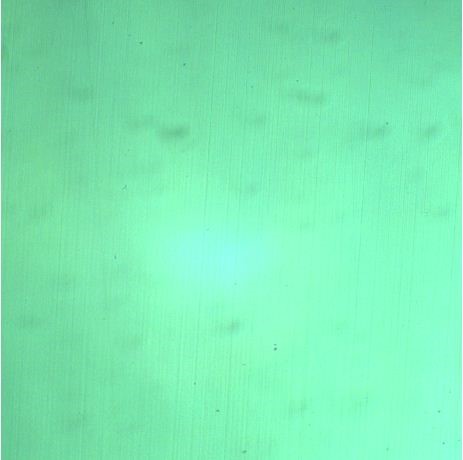
Heat Treatment Analysis
Metallographic testing was performed on a MUZL 600 ring die made from X46Cr13 stainless steel in quenched and low-temperature tempered condition. Evaluation using an inverted metallographic microscope and 1.0 kgf microhardness testing confirmed structural integrity and post-treatment hardness compliance.

Non-Metallic Inclusion Analysis
Non-metallic inclusion assessment was carried out in accordance with GB/T 10561-2005 under 100× magnification in the uneroded state. The evaluation showed Class A, B, and C inclusions at zero level, with Class D fine inclusions at 0.5 level and no DS inclusions detected. The observed inclusion length was 0.71 mm within an inspection area of 0.5 mm², confirming that the material meets the technical requirements
Material Microstructure Evaluation
Microstructural analysis was performed after etching with 2%–4% picric acid alcohol solution. The matrix structure predominantly consists of lath martensite with uniformly distributed undissolved carbide particles. This structure indicates proper heat treatment transformation and ensures the mechanical strength and wear resistance required for pellet mill ring die applications.

Microhardness Test Results
Microhardness testing under a 1.0 kgf load in the uneroded condition confirmed that the hardness values comply with the specified requirements of the final heat treatment process. The measured results demonstrate consistent hardness distribution across the tested surface, ensuring durability during operation.

Carbide Network Grading
Carbide network grading was evaluated according to GB/T 1299-2000 Appendix A using deep etching with 2%–4% picrate alcohol solution. The carbide network was rated at Grade 1.0, meeting the specified limits for carbide non-uniformity as defined. The inspection was completed on 15 August 2023, confirming that the ring die satisfies all metallurgical quality standards.

Maximize Performance with Premium Forged Blanks for Ring Dies | JARAY China
Partner with our technical specialists to explore how JARAY’s premium forged blanks can strengthen the foundation of your ring die manufacturing. Obtain a comprehensive quotation tailored to your dimensional requirements, material specifications, and production objectives. Elevate durability, machining precision, and overall die life with forged blanks engineered for feed, biomass, and wood pellet applications.

