
Premium Forged Ring Die Blanks from China | JARAYPremium Stainless & Alloy Steel Forgings | JARAY X46Cr13 Blanks
JARAY is the leading Chinese supplier of X46Cr13 forged ring die blanks. Premium stainless and alloy steel grades including 18NiCrMo5 and 20CrMnTi with international standards compliance.
JARAY for youPremium Stainless and Alloy Steel Forgings
JARAY forged ring die blanks are manufactured using carefully selected premium materials engineered for hardness, wear resistance, and corrosion protection. These material choices ensure long service life and machining stability, supporting high-performance pellet mill dies operating in demanding feed and biomass environments.
pages.stores.usps.title
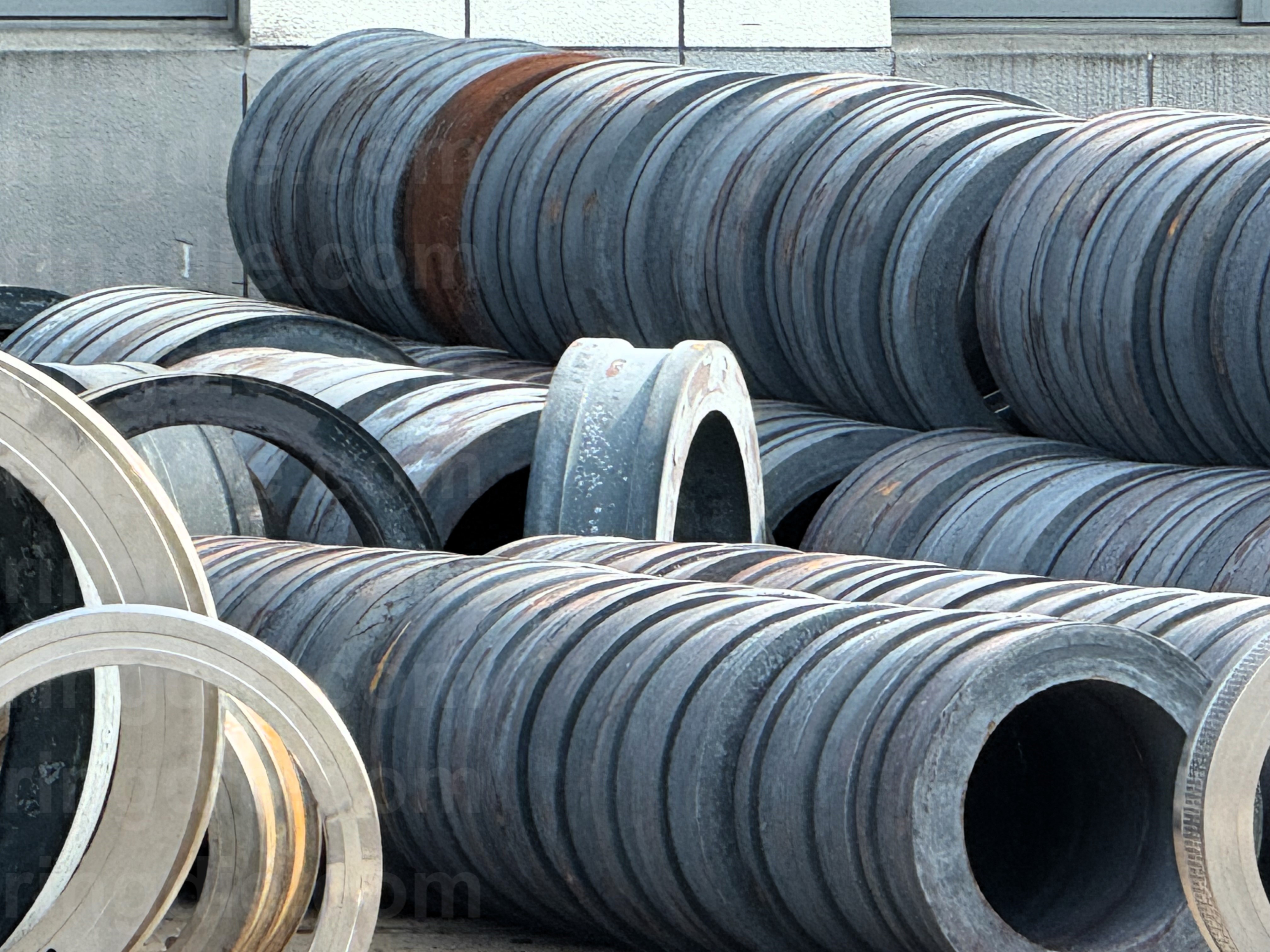

X46Cr13 Martensitic Stainless Steel Composition
The primary material, X46Cr13 martensitic stainless steel, contains controlled carbon and chromium levels for optimal hardenability and strength. Its balanced chemical composition supports consistent heat treatment response, structural integrity, and reliable performance in abrasive pelletizing applications requiring precision and durability.
Mechanical Properties and Performance Advantages
X46Cr13 offers high hardenability reaching up to 56 HRC, combined with good corrosion resistance in moderately aggressive environments. Elevated carbon content enhances wear resistance, making the material suitable for cutting tools, industrial knives, and high-stress ring die manufacturing applications.
Alternative Alloy Steel Material Options
In addition to stainless steel, JARAY provides alloy steel grades such as 18NiCrMo5 and 20CrMnTi. These materials offer enhanced surface durability, carburizing capability, and refined grain structure, enabling tailored mechanical properties to meet specialized pellet production requirements.
International Equivalents of X46Cr13 Material
X46Cr13 corresponds to global standards including EN 1.4034, AISI 420C, UNS S42000, JIS SUS420J2, DIN X46Cr13, and GB 4Cr13. This wide recognition ensures compatibility with international engineering specifications and simplifies material validation for global pellet die manufacturers.
Global Comparisons for Alloy Steel Grades
The alloy 18NiCrMo5 aligns with DIN 1.6566, AISI 4317, and BS 817M17 equivalents, while 20CrMnTi compares with AISI 8620 and DIN 1.5815. These parallels allow customers to specify materials confidently according to familiar national standards.
Compliance with Recognized International Standards
Manufacturing adheres to established standards including EN 10088, ISO 683-18, GB/T 10561, GB/T 1299, GB/T 6402, ASTM A304, SAE J1268, and JIS G4052. Compliance ensures consistent metallurgy, verified inspection procedures, and globally accepted quality assurance for forged ring die blanks .
Metallographic Testing of MUZL 600 Ring Die in X46Cr13 Stainless Steel After Heat Treatment
The metallographic examination was conducted on a sample ring die (MUZL 600) manufactured from X46Cr13 stainless steel in the quenched and low-temperature tempered condition. Testing was performed using a Time TMR2000 inverted metallographic microscope and a TMV-1S microhardness tester with a 1.0 kgf load to evaluate structural integrity and hardness compliance after final heat treatment.
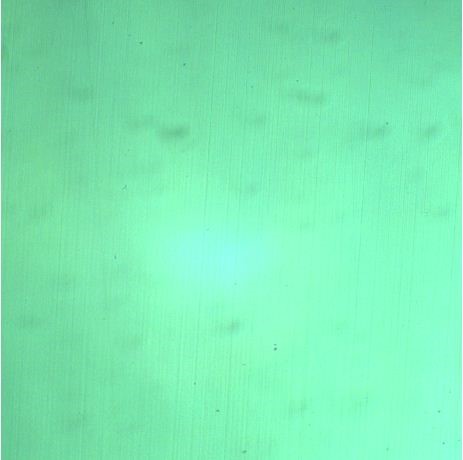
Heat Treatment Analysis
Metallographic testing was performed on a MUZL 600 ring die made from X46Cr13 stainless steel in quenched and low-temperature tempered condition. Evaluation using an inverted metallographic microscope and 1.0 kgf microhardness testing confirmed structural integrity and post-treatment hardness compliance.

Non-Metallic Inclusion Analysis
Non-metallic inclusion assessment was carried out in accordance with GB/T 10561-2005 under 100× magnification in the uneroded state. The evaluation showed Class A, B, and C inclusions at zero level, with Class D fine inclusions at 0.5 level and no DS inclusions detected. The observed inclusion length was 0.71 mm within an inspection area of 0.5 mm², confirming that the material meets the technical requirements

Material Microstructure Evaluation
Microstructural analysis was performed after etching with 2%–4% picric acid alcohol solution. The matrix structure predominantly consists of lath martensite with uniformly distributed undissolved carbide particles. This structure indicates proper heat treatment transformation and ensures the mechanical strength and wear resistance required for pellet mill ring die applications.

Microhardness Test Results
Microhardness testing under a 1.0 kgf load in the uneroded condition confirmed that the hardness values comply with the specified requirements of the final heat treatment process. The measured results demonstrate consistent hardness distribution across the tested surface, ensuring durability during operation.

Carbide Network Grading
Carbide network grading was evaluated according to GB/T 1299-2000 Appendix A using deep etching with 2%–4% picrate alcohol solution. The carbide network was rated at Grade 1.0, meeting the specified limits for carbide non-uniformity as defined. The inspection was completed on 15 August 2023, confirming that the ring die satisfies all metallurgical quality standards.

Maximize Performance with Premium Forged Blanks for Ring Dies | JARAY China
Partner with our technical specialists to explore how JARAY’s premium forged blanks can strengthen the foundation of your ring die manufacturing. Obtain a comprehensive quotation tailored to your dimensional requirements, material specifications, and production objectives. Elevate durability, machining precision, and overall die life with forged blanks engineered for feed, biomass, and wood pellet applications.

